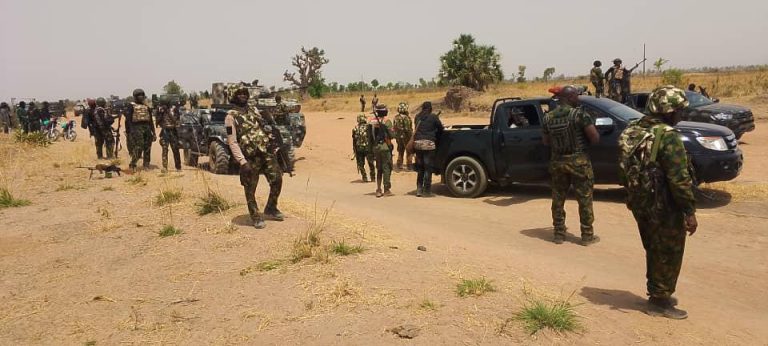
From the dense forests of the North-West to the creeks of the Niger Delta and the volatile flashpoints of the South-East, 2025 was another defining year for Nigeria’s Armed Forces as they waged relentless battles against terrorism, insurgency, banditry, kidnapping, oil theft and other criminal enterprises threatening the nation’s stability.
In a comprehensive end-of-year operational briefing with journalists, by the Director Defence Media Operations, Defence Headquarters (DHQ), Abuja, Major General Michael Onoja, the Armed Forces of Nigeria (AFN) outlined the scale, complexity and impact of military engagements conducted across the country between January and December 2025.
The report paints a picture of sustained pressure on violent non-state actors, improved inter-agency cooperation, and troops operating in increasingly asymmetric and high-risk environments.
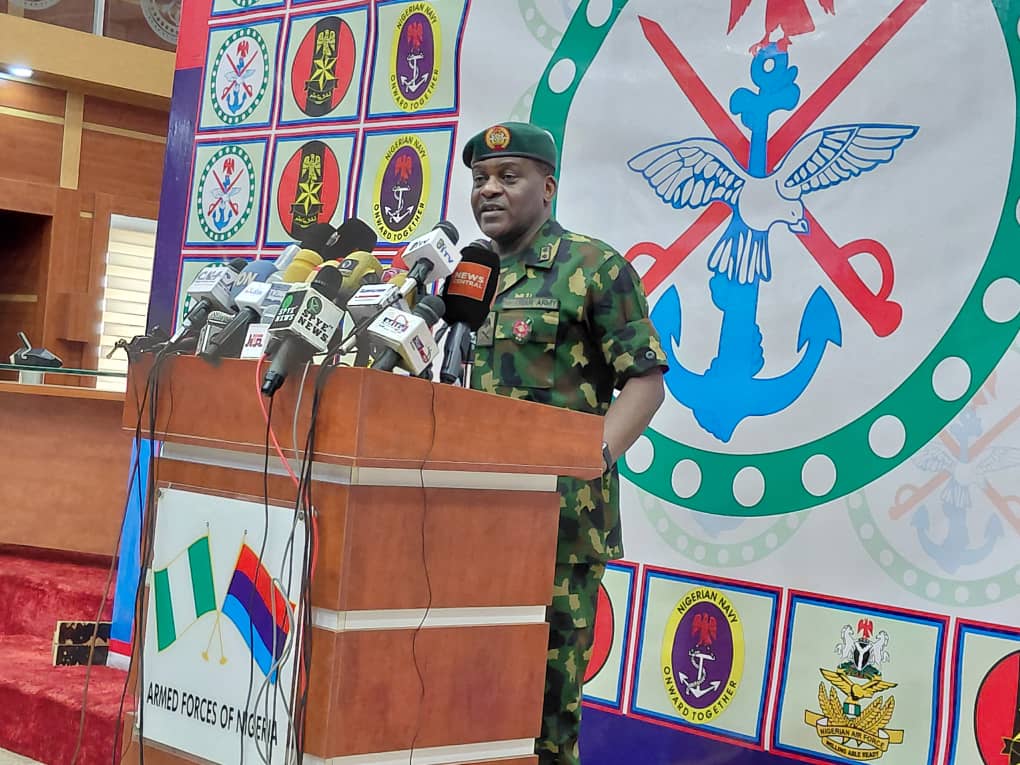
FIGHTING ON MULTIPLE FRONTS
According to the General Onoja, troops were simultaneously engaged in kinetic and non-kinetic operations nationwide, with the dual aim of neutralising threats and creating safe conditions for economic and social activities to thrive. Despite evolving tactics by criminal groups, the military maintained its commitment to protecting civilians while keeping the public informed of developments across all theatres.
Within the year under review, troops, working alongside other security agencies, neutralised several high-profile terrorist commanders, lieutenants and foot soldiers.
Among those eliminated were notorious figures such as Aminu Kanawa, Dan Bokolo, Bello Buba, Halilu Sabubu, Dogo Bashiru Yellow, Abba Allai (also known as Amirul Khalid of Alafa), Auta, Talha, Mallam Umar, Abu Yazeed and Nwachi Eze, alias Onowu. Several bandit kingpins operating under aliases like Dosso, Jagaban and Danja were also taken out.
In addition, security forces arrested 4,375 suspects across the country, while 1,616 terrorists and their family members surrendered. Military operations also led to the rescue of 2,336 kidnapped victims, underscoring the human impact of the year’s engagements.
NORTH-EAST: SUSTAINED PRESSURE ON BOKO HARAM AND ISWAP
In the North-East, where Boko Haram and Islamic State West Africa Province (ISWAP) remain the principal threats, the security situation stayed relatively stable despite continued attempts by terrorists to carry out isolated attacks and plant improvised explosive devices.
Under Operation HADIN KAI, troops neutralised several top commanders and dismantled multiple terrorist camps. Over 1,323 suspects — including collaborators, gunrunners and spies —were arrested, while 1,616 terrorists surrendered to troops. The rescue of 498 kidnapped hostages and the recovery of arms, vehicles and ₦32 million in cash further weakened terrorist networks.
Military authorities say the sustained operations have helped revive farming and trading activities, enabled the return of local governance structures, and allowed many internally displaced persons to resettle in their communities.
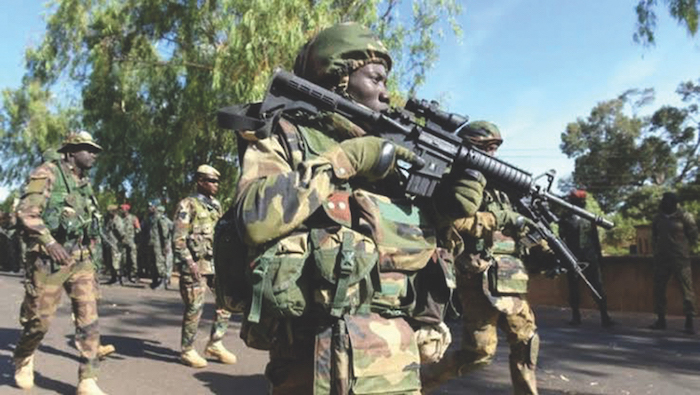
NORTH-WEST: PRECISION STRIKES AND RENEWED PARTNERSHIPS
The North-West faced persistent threats from bandit groups, Lakurawa terrorists, and Boko Haram/ISWAP elements exploiting porous borders and remote terrain.
However, troops under Operation FANSAN YAMMA recorded significant gains through intelligence-driven operations, deployment of modern equipment such as Mine Resistant Ambush Protected (MRAP) vehicles, and improved surveillance.
During the year, scores of terrorists were neutralised, 669 suspects arrested and 966 kidnapped victims rescued. Arms, ammunition and ransom funds were also recovered.
One of the year’s most notable developments was a reinvigorated security partnership between Nigeria and the United States. Precision airstrikes were carried out against two major ISIS enclaves in the Bauni Forest axis of Tangaza Local Government Area, Sokoto State. Using MQ-9 Reaper drones, 16 GPS-guided munitions neutralised foreign ISIS operatives infiltrating Nigeria through the Sahel corridor.
Although debris from the strikes landed in parts of Sokoto and Kwara States, authorities confirmed that no civilian casualties were recorded.
The Defence Headquarters described the operation as a clear signal of Nigeria’s resolve to counter transnational terrorist networks.
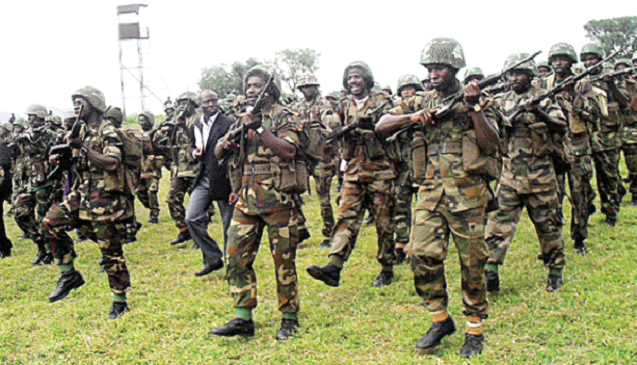
NORTH-CENTRAL: BATTLING BANDITRY AND ARMS PROLIFERATION
In the North-Central zone, troops confronted a mix of terrorism, banditry, kidnapping, farmer-herder clashes and arms proliferation, particularly in states such as Kogi, Niger, Benue, Plateau and Nasarawa.
Operations ENDURING PEACE and WHIRL STROKE focused heavily on disrupting arms supply chains and dismantling extremist enclaves.
Over the year, troops neutralised scores of criminals, arrested more than 1,260 suspects across both operations, and rescued 755 kidnapped victims. Large caches of arms and ammunition were also recovered, weakening the capacity of armed groups operating in the region.
SOUTH-SOUTH: CRIPPLING OIL THEFT NETWORKS
In the Niger Delta, criminality took the form of oil theft, pipeline vandalism, cultism and kidnapping. Under Operation DELTA SAFE, the Armed Forces achieved one of their most economically significant victories of the year.
Troops thwarted oil theft valued at over ₦8.9 billion, recovering more than 16.6 million litres of stolen crude oil and large volumes of illegally refined petroleum products. A total of 503 illegal refining sites were uncovered and destroyed, while 778 suspects were arrested and 53 kidnapped victims rescued.
Military authorities noted that beyond security gains, these operations helped mitigate environmental damage and economic losses associated with illegal bunkering.
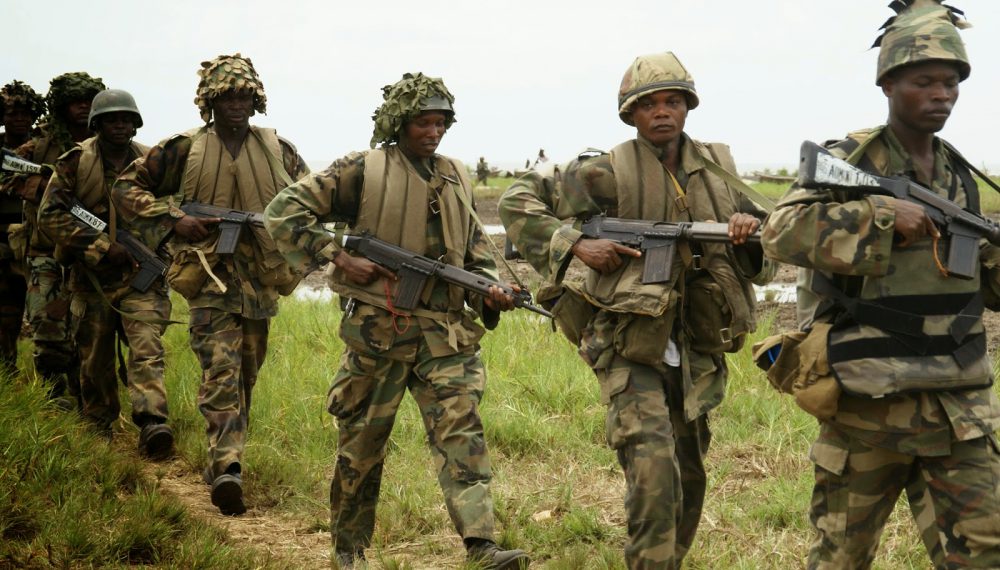
SOUTH-EAST: WEAKENING SEPARATIST VIOLENCE
In the South-East, the proscribed Indigenous People of Biafra (IPOB) and its armed wing, the Eastern Security Network (ESN), remained the dominant threat. However, intensified operations under Operation UDO KA, combined with recent court rulings against key leaders, significantly reduced the groups’ operational capacity.
Troops uncovered and neutralised locally fabricated IEDs, dismantled fortified camps and pushed fighters into remote hinterlands. Over the year, 324 suspects were arrested, scores of extremists neutralised, and more than 64 kidnapped persons rescued.
VIGILANCE BEYOND 2025
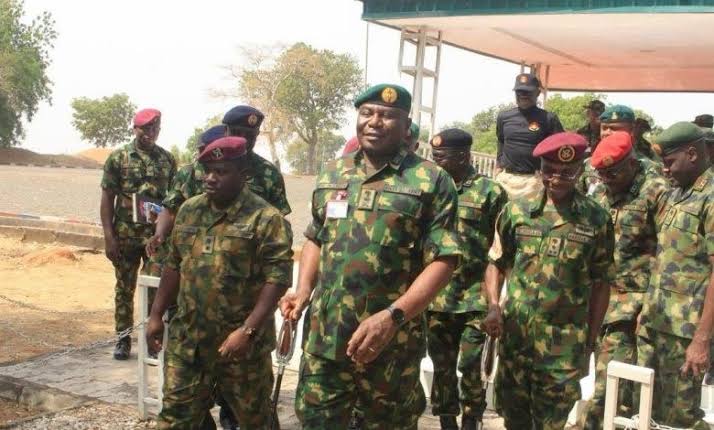
As the year drew to a close, the Defence Headquarters warned of terrorist elements relocating in response to military pressure. Intelligence, Surveillance and Reconnaissance assets are actively tracking suspicious movements, with communities urged to remain vigilant and cooperate with security agencies.
Despite the risks, prolonged deployments and personal sacrifices, the Armed Forces reaffirmed their commitment to national security.
The DHQ commended the bravery and professionalism of troops and assured personnel that their welfare remains a top priority heading into 2026.
As Nigeria marks another Armed Forces Remembrance period, the military leadership paid tribute to fallen heroes and veterans, pledging renewed determination in the fight against terrorism and criminality.
In the words of the Defence Headquarters, the successes of 2025 stand as a testament to resilience, sacrifice and unwavering resolve —qualities the Armed Forces say they will carry into the new year as they continue to defend the sovereignty of the Federal Republic of Nigeria.
About The Author