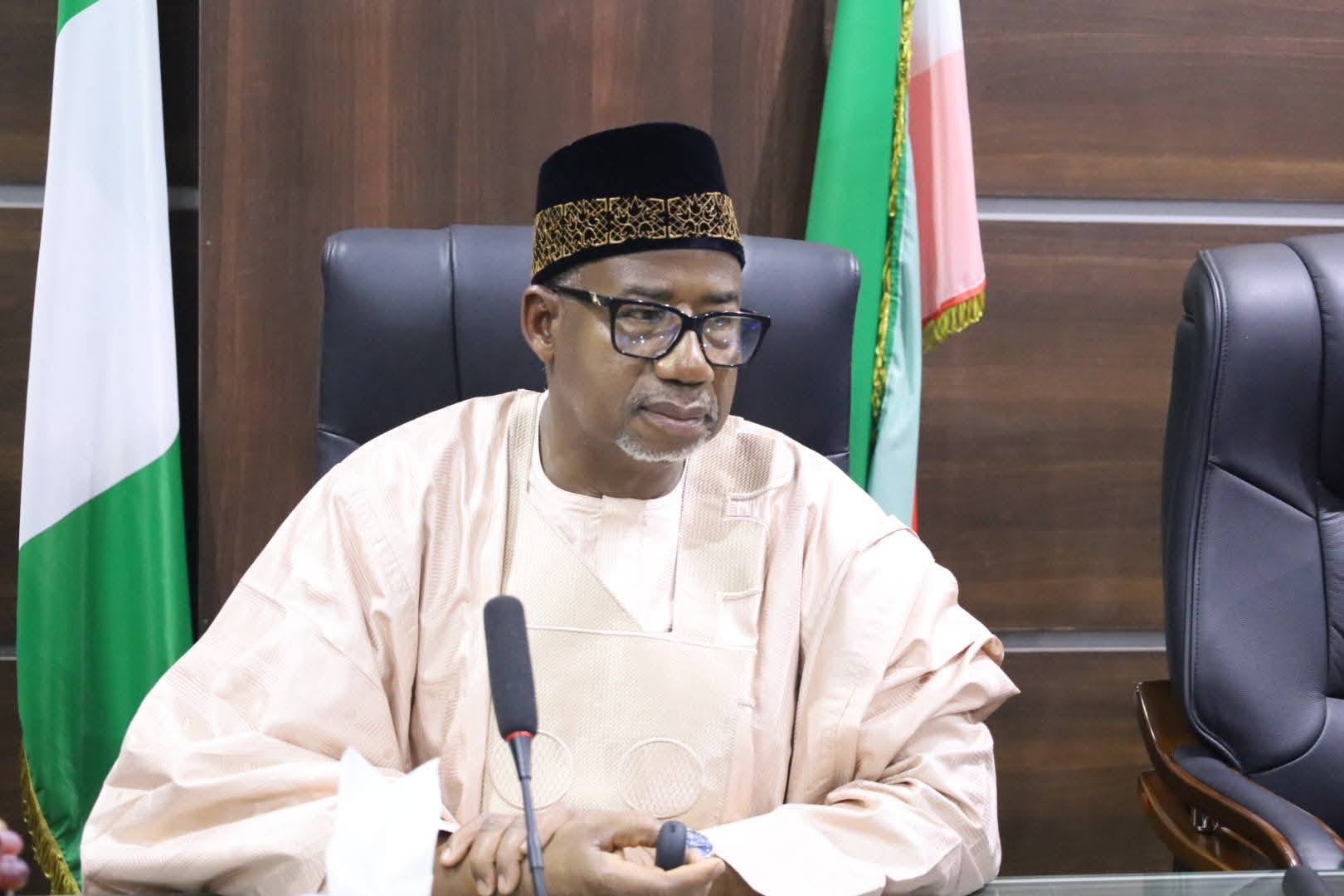
The Economic and Financial Crimes Commission (EFCC) has strongly rejected allegations by Bauchi State Governor, Bala Mohammed, that the anti-graft agency is being used by political opponents to persecute him and some officials of his administration.
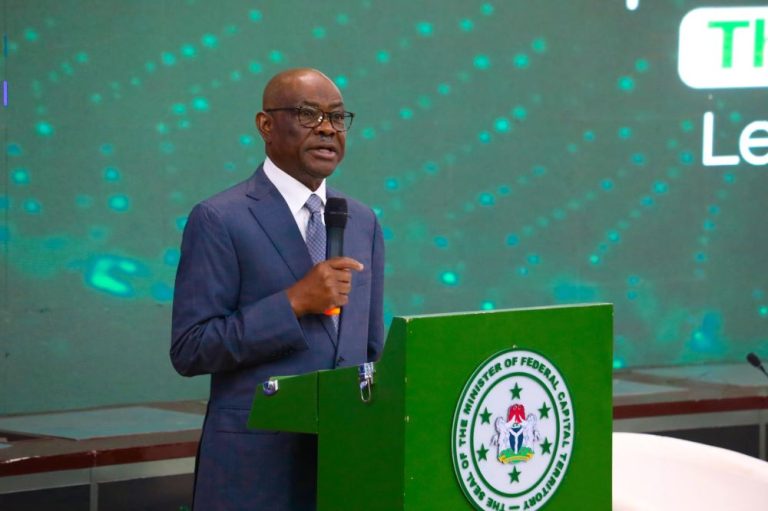
In a statement issued on Friday by the Head of Media and Publicity of EFCC, Dele Oyewale, the Commission described the governor’s claims—particularly his allegation that the Minister of the Federal Capital Territory, Nyesom Wike, is influencing the Commission’s actions—as “wild, far-fetched, mischievous and condemnable.”
The Commission stressed that it is an independent, non-partisan agency established to combat economic and financial crimes, adding that it carries out its mandate without fear, favour, affection, or ill will.
“The attempt to portray the EFCC as a pliable agency that panders to the demands of certain political interests is mischievous,” the statement said, insisting that no political office holder has the power to influence its investigative activities.
The EFCC also described as “derogatory” the governor’s suggestion that its operations in Bauchi State are being driven by external political influence. It noted that Mohammed was already standing trial for alleged money laundering before he became governor, and that the case was only put on hold due to the constitutional immunity attached to his office.
“If Bala Mohammed wants to be honest, he would have revealed to Nigerians that he was standing trial for money laundering at the time he won election as governor,” the Commission stated, questioning who influenced its investigation and prosecution of him as far back as 2016.
On the ongoing cases involving some Bauchi State government officials, the EFCC said the facts have already been placed before the court and are available for public scrutiny. According to the Commission, this would enable Nigerians to determine whether the charges stem from vendetta or from thorough investigations.
The EFCC further explained that Governor Mohammed’s name appeared in the charges because he was the approving authority at the time relevant decisions were taken.
Reacting to claims bordering on terrorism financing, the Commission dismissed them as an attempt to “cry wolf,” noting that it neither invents laws nor ignores offences punishable under existing statutes.
“Where there are offences punishable by extant laws, the EFCC would be failing in its responsibility to do otherwise,” the statement added.
The anti-graft agency also accused some politicians of hypocrisy, saying opposition figures are often quick to allege persecution when their members are investigated, but remain silent when members of the ruling party face similar charges. It cited the recent arraignment of a senior member of the ruling party as an example.
The EFCC urged Governor Mohammed to focus on governing Bauchi State and allow the Commission to concentrate on its mandate of sanitising Nigeria’s financial system.
About The Author