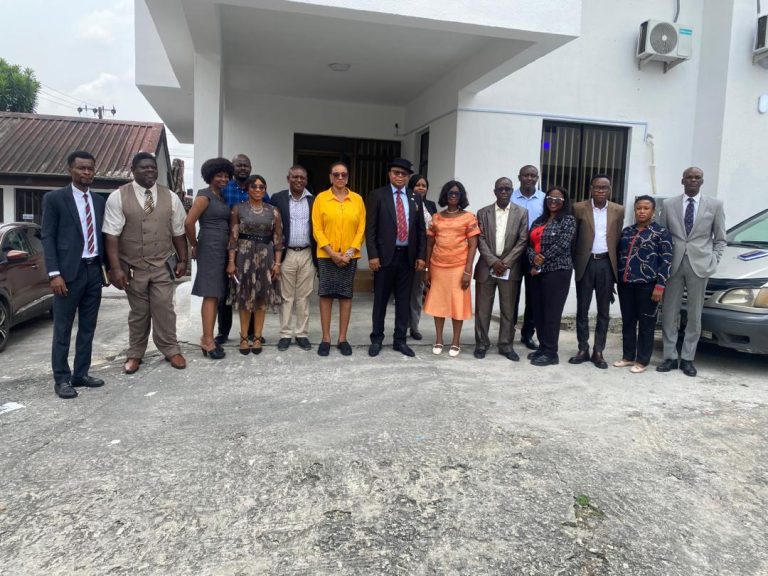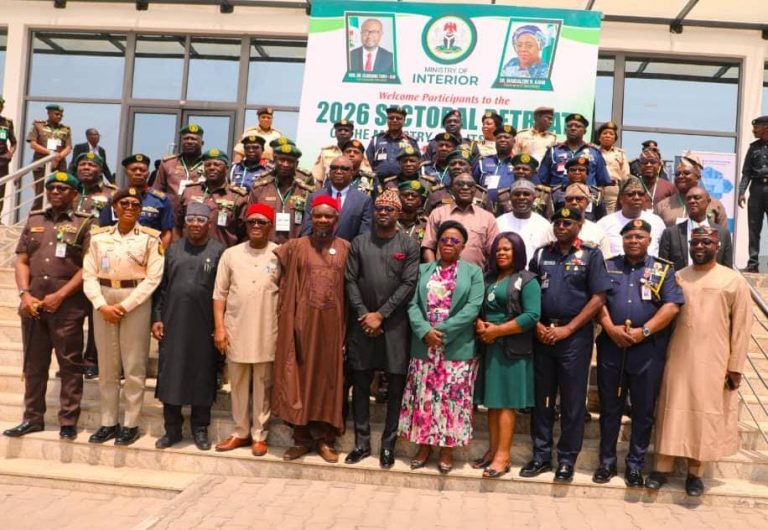
The Independent Corrupt Practices and Other Related Offences Commission (ICPC) has taken a decisive step toward strengthening Nigeria’s anti-corruption framework with the convening of its 2026 Management and Board Retreat in Niger State, signalling a strategic reset focused on results, accountability and public trust.
The two-day retreat, formally opened by the ICPC Chairman, Dr. Musa Adamu Aliyu, SAN, was held at the Royal Institute for Training and Human Capital Development Limited, Zuma Rock Resort. It was themed “Enhancing Institutional Effectiveness: Leadership, Performance and Public Trust.”
Bringing together Honourable Board Members, the Secretary to the Commission, Departmental and Unit Heads, as well as all Resident Anti-Corruption Commissioners from across the country, the retreat provided a platform for reflection, recalibration and unified action.
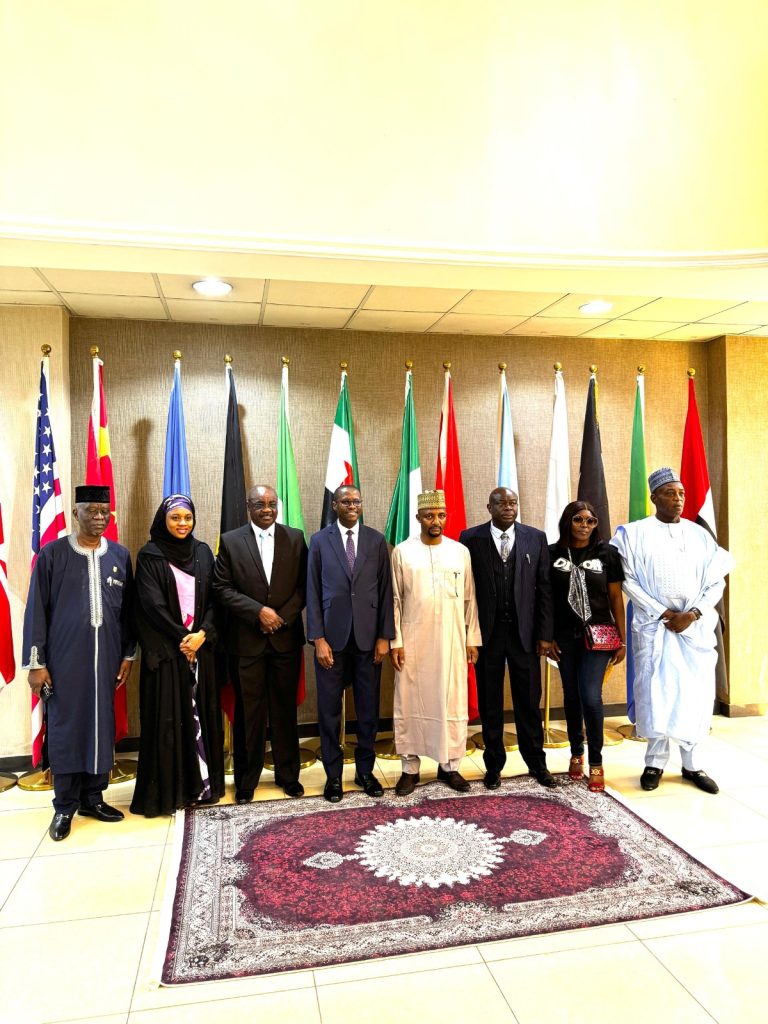
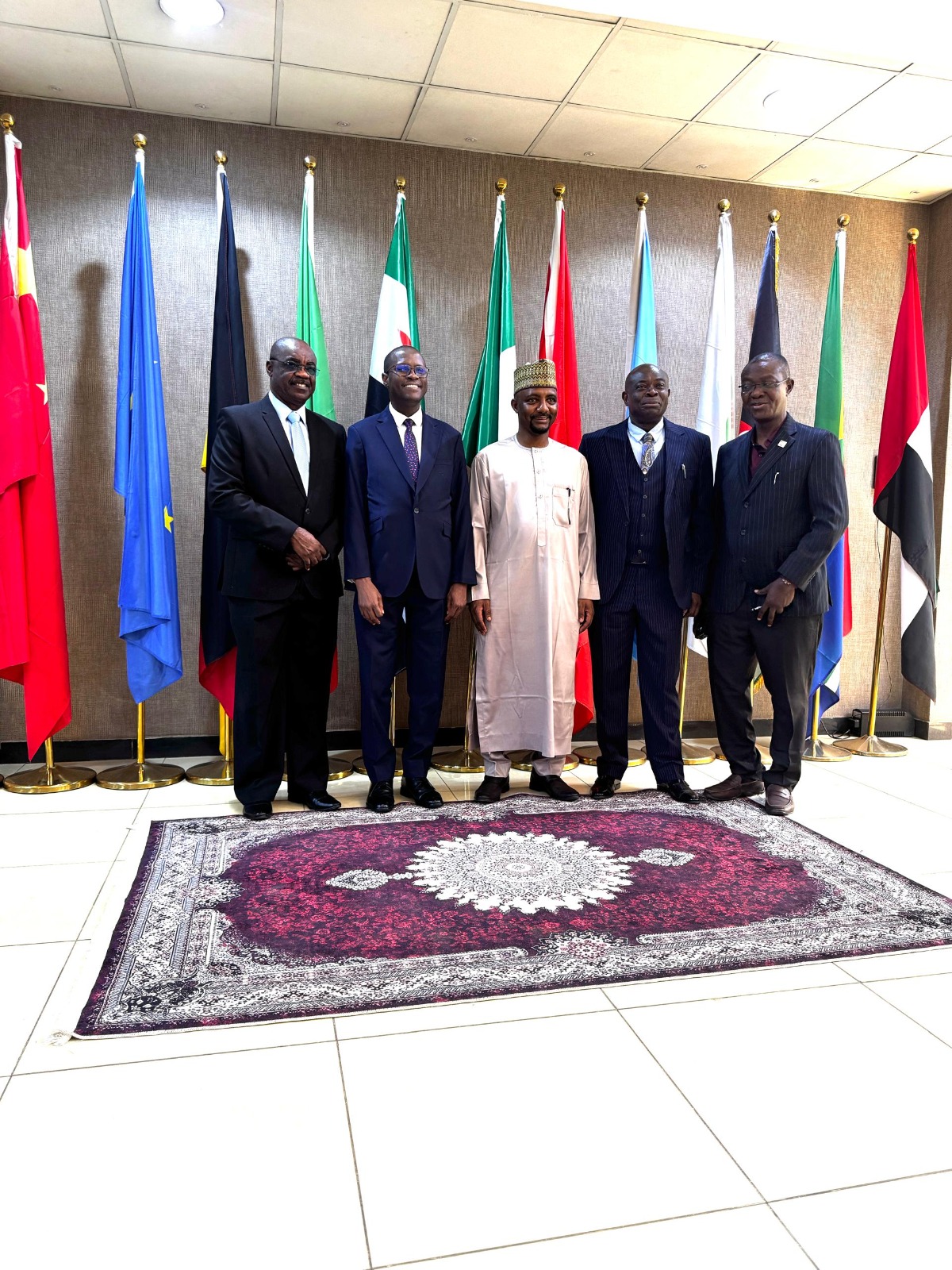
According to a statement by the Spokesperson/Head of Media and Public Communication, Mr. J. Okor Odey, the forum also attracted key institutional partners, including Hon. Justice Chidiebere N. Uwa (JSC) of the Supreme Court of Nigeria; Dr. Roger Koranteng, Adviser and Head of the Public Sector Governance and Peace Directorate at the Commonwealth Secretariat, London; and representatives of the Code of Conduct Bureau (CCB), the Rule of Law and Anti-Corruption Programme (RoLAC/International IDEA) and the Centre for Democracy and Development (CDD).
In his opening address, Dr. Aliyu framed the retreat as a defining moment for the Commission, stressing that the ICPC must now be judged by tangible outcomes rather than effort alone. He said priority would be placed on investigations that lead to convictions, preventive actions that close systemic loopholes, and public education that drives behavioural change.
“The eyes of the nation are upon us. Corruption remains the gravest obstacle to Nigeria’s development, and the ICPC is the shield upon which the hopes of many rest,” the Chairman said, urging the Commission to evolve into a more formidable and results-driven institution.
Dr. Aliyu outlined key outcomes expected from the retreat, including the adoption of a Zuma Declaration committing management to clear 2026 performance benchmarks, a strengthened monitoring and evaluation framework, enhanced inter-departmental collaboration, and a defined digital transformation roadmap.
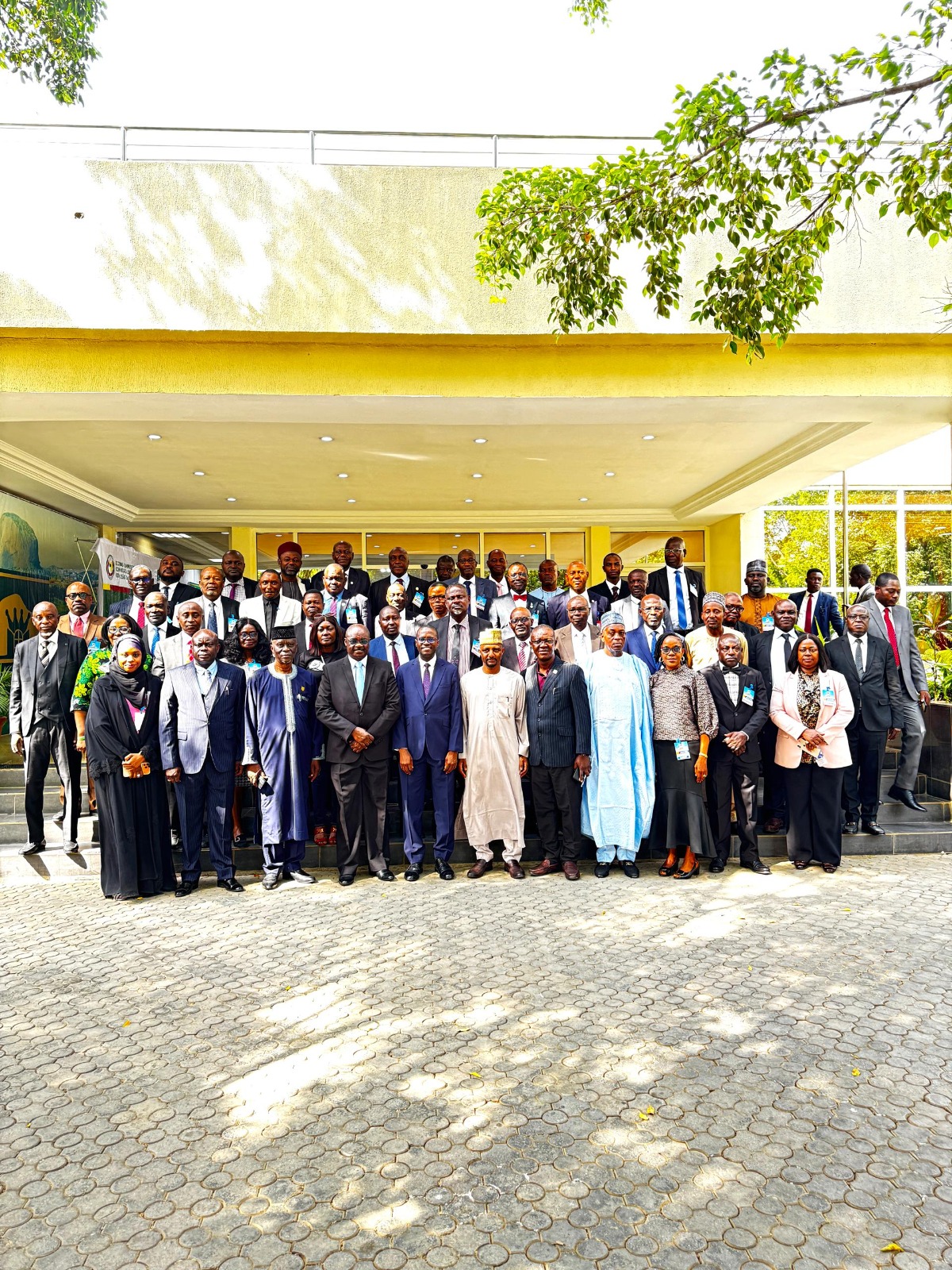
Goodwill messages from partners reinforced the collective mission. Chairman of the Code of Conduct Bureau, Dr. Abdullahi Usman Bello, commended the Commission’s leadership, while Dr. Emmanuel Uche of RoLAC/International IDEA described the retreat as timely given the increasingly complex nature of corruption.
The keynote address, delivered by Dr. Roger Koranteng, focused on “Positioning African Anti-Corruption Agencies for Global Effectiveness: The Way Forward for ICPC.” He emphasised that corruption thrives in silence but weakens under sustained, courageous and collective action.
In a session titled “Institutional Integrity in Anti-Corruption Agencies: Lessons from the Bench,” Hon. Justice Chidiebere N. Uwa (JSC) stressed that integrity is built daily through fairness, accountability and transparency, anchored on strict adherence to due process. A further presentation was delivered by Dr. Umar Yakubu, Director of the Centre for Fiscal Transparency and Public Integrity.
The retreat concluded with a shared resolve to translate strategy into action, strengthen internal systems and restore public confidence in the Commission’s mandate.
With leadership aligned and benchmarks clearly set, the 2026 Management and Board Retreat marked a pivotal moment in redefining the ICPC’s role and impact in Nigeria’s anti-corruption fight.
About The Author