By Solomon Essiet
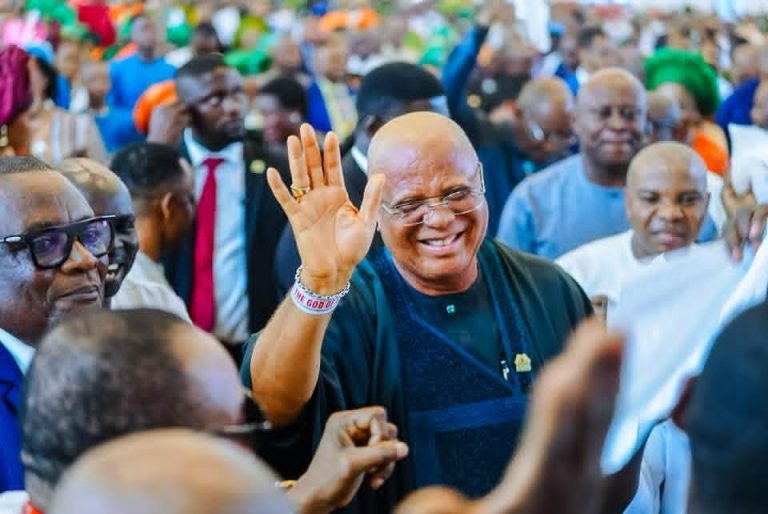
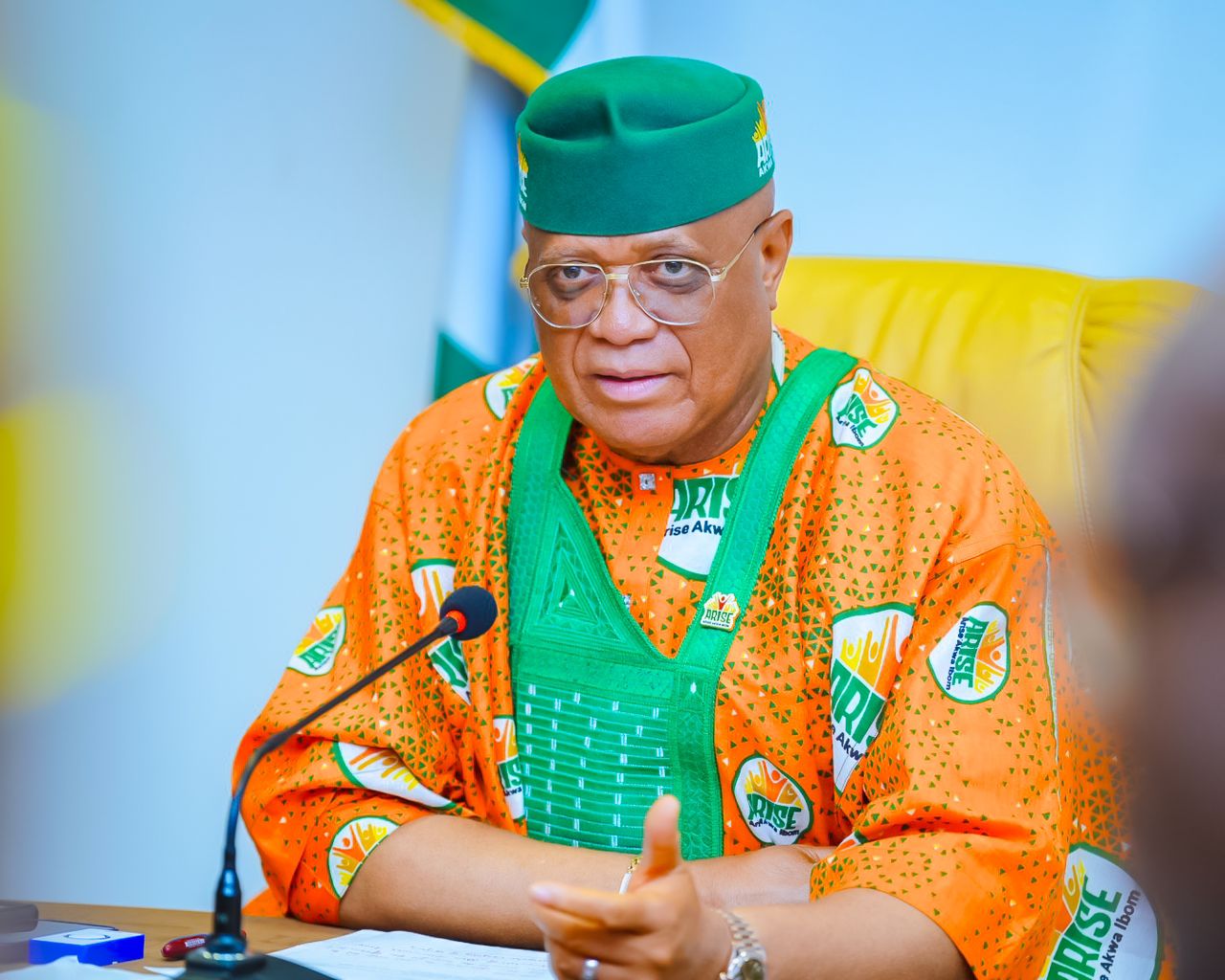
It is no longer news that the Akwa Ibom State Government has commenced the implementation of tenement rate payments for occupants of government-owned estates across the state, effective January 2026. Governor Umo Eno reaffirmed this policy on Sunday, January 4, 2026, during a Special Inter-Denominational New Year Thanksgiving and Covenant Service at the International Worship Centre, Uyo.
It is important to state clearly that the implementation of tenement rates is not intended to obstruct, punish, or inflict hardship on residents. Rather, it is a necessary and forward-looking step toward strengthening the state’s internally generated revenue base. The proceeds are meant to be reinvested directly into services that benefit residents, including road maintenance, environmental sanitation, estate management, and other essential community services.
In a show of uncommon magnanimity, Governor Umo Eno, the compassionate Governor of Akwa Ibom State, announced that all outstanding tenement rate liabilities previously owed by residents of government estates across the state have been cleared. This decision effectively resets the system and creates room for a fresh start and smoother implementation of the policy.
What is particularly noteworthy is the incentive structure introduced by the government. Residents who voluntarily comply with the tenement rate payments on or before the end of the first quarter of 2026 will have any outstanding liabilities completely written off. However, those who refuse to comply after the three-month grace period will be required to pay the full assessed arrears as determined by the relevant authorities. This approach balances compassion with responsibility.
According to the Governor, tenement rates remain a critical source of internally generated revenue for sub-national governments and are essential for sustaining public infrastructure and services. He urged residents of state-owned estates to view the payment of tenement rates as a civic duty, stressing that sustainable development requires shared responsibility between government and citizens. He further noted that reliance on statutory allocations alone can no longer meet the growing developmental needs of the state.
As part of broader public finance reforms, the Governor also reaffirmed his administration’s commitment to consolidating all internally generated revenue into a Treasury Single Account, TSA. This policy is aimed at improving transparency, strengthening financial planning, blocking leakages, and enhancing public confidence in the management of state resources.
Residents of government estates are therefore encouraged to comply with this directive in good faith. The state government is currently working out fair and location-sensitive rates based on estate type and building classification. This is standard practice in many parts of the world. Even within Nigeria, Lagos State offers a clear example, where residents pay tenement rates and, in some high-value areas such as Ikoyi and Marina, additional access tolls. These measures have helped Lagos fund large-scale infrastructure projects that benefit its residents.
With the recent signing into law of a ₦1.584 trillion 2026 budget, it has become even more imperative for Akwa Ibom State to look inward and expand its revenue base to cover anticipated budgetary gaps. Internally generated revenue, if properly harnessed, will be a decisive game changer in ensuring that the 2026 budget is fully implemented and delivers real impact to the people.
Arise, that same God.
Solomon Essiet, ACIA, writes from Ikot Ekpene Local Government Area, the Raffia City, Akwa Ibom
About The Author