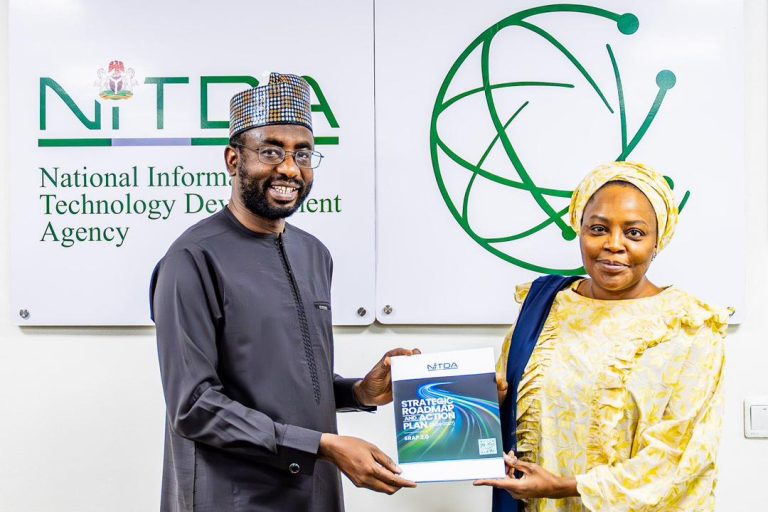
The Director-General of the National Information Technology Development Agency (NITDA), Kashifu Inuwa, has stressed that deeper collaboration with state governments is critical to achieving Nigeria’s digital economy ambitions.
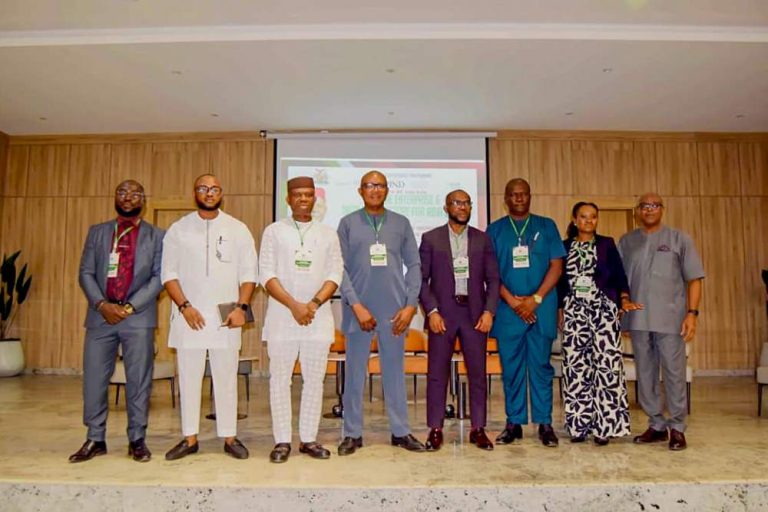
Speaking virtually at the South-South Regional ICT Stakeholders Forum, Inuwa said sub-national alignment remains essential for translating federal digital policies into measurable impact at the grassroots. The forum convened policymakers, technology leaders, civil society organisations and ecosystem players to strategise on accelerating digital development across the region.
According to him, while progress has been recorded at the federal level, the true test of success lies in how effectively national frameworks are domesticated by states and embedded into structured implementation systems.
He referenced key frameworks such as the Nigerian Startup Act and the National Digital Literacy Framework, noting that although several states have established ICT-focused ministries and agencies, some still lack comprehensive enabling laws and clear governance mechanisms. He assured that NITDA is ready to provide technical support to states seeking to strengthen their digital ecosystems.
Digital literacy, he emphasised, remains central to inclusive growth. Under the National Digital Literacy Framework, NITDA is targeting 95 per cent digital literacy nationwide by 2030. In partnership with the Federal Ministry of Education, digital skills have been integrated into school curricula, with teachers across the country undergoing capacity-building programmes to support technology-driven learning.
He urged South-South states to ensure active participation of educators in both public and private schools to deepen impact.
The NITDA DG also highlighted efforts to upskill public servants, disclosing that in collaboration with the Office of the Head of the Civil Service of the Federation, more than 54,000 federal civil servants have enrolled in structured digital skills training. Similar initiatives, he said, are being considered for rollout across South-South states to boost governance efficiency and service delivery.
On partnerships, Inuwa cited collaborations with global technology firm Cisco to provide access to self-paced digital courses, as well as engagement with the National Youth Service Corps (NYSC), whose digital champions conduct grassroots sensitisation in markets, worship centres and motor parks, including outreach to senior citizens.
He called on stakeholders in the zone to strengthen coordination and co-create practical initiatives that will expand digital inclusion and economic participation.
In his remarks, Cross River State Commissioner for Science, Technology and Innovation, Dr. Justin Atiang Beshel, reaffirmed the state’s commitment to leveraging technology for sustainable development.
He said the state is prioritising broadband expansion and digital infrastructure to drive e-government services, innovation, skills development and job creation, noting that improved connectivity would unlock economic opportunities and enhance public service delivery.
Despite challenges such as limited rural connectivity and funding constraints, Beshel expressed optimism about strategic partnerships with NITDA and private sector players, describing collaboration as vital to narrowing the digital divide and strengthening cybersecurity resilience.
He maintained that sustained investment and coordinated action would position Cross River as a competitive digital hub within Nigeria’s expanding technology ecosystem.
About The Author