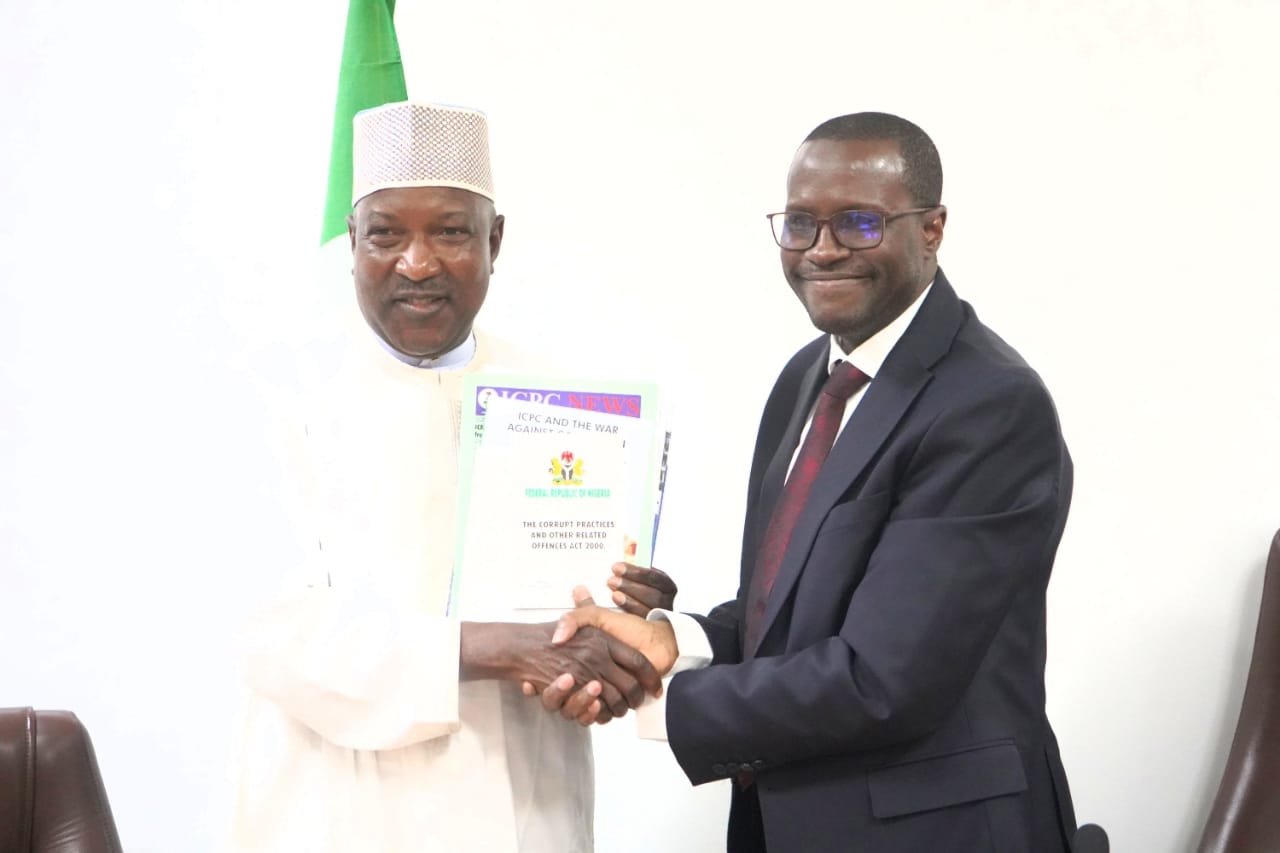
In a renewed effort to safeguard Nigeria’s natural resources, the Independent Corrupt Practices and Other Related Offences Commission (ICPC) and the Nigeria Extractive Industries Transparency Initiative (NEITI) have reaffirmed their commitment to deepening collaboration aimed at strengthening transparency, accountability and integrity across the country’s oil, gas and mining sectors.
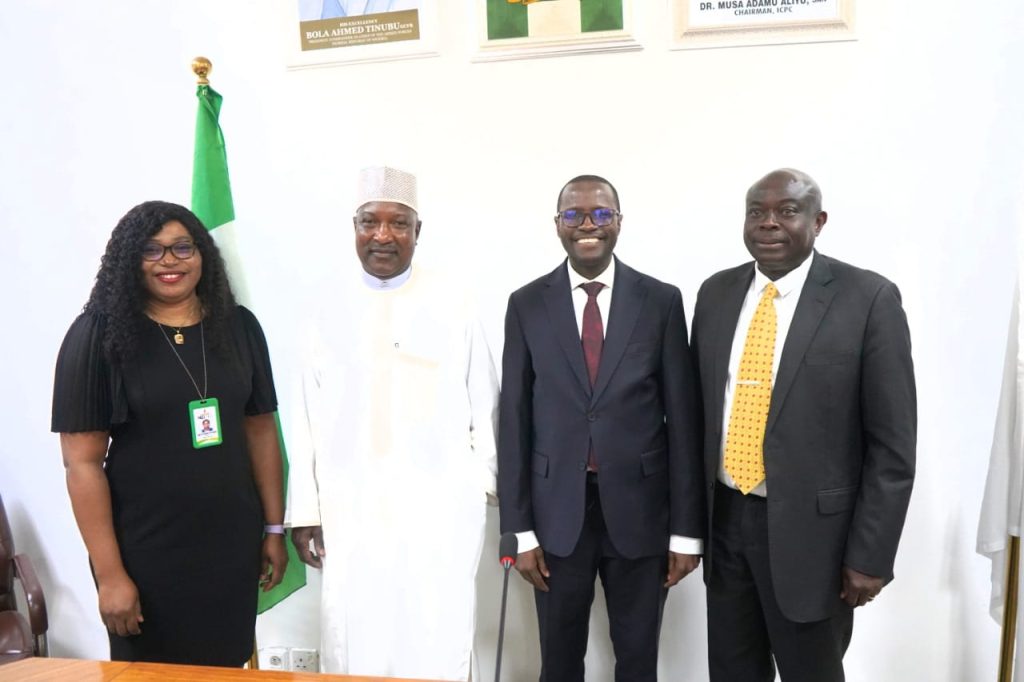
Chairman of the ICPC, Dr. Musa Adamu Aliyu, SAN, gave the assurance while receiving the Executive Secretary of NEITI, Hon. Musa Sarkin Adar, alongside members of his senior management team during a courtesy visit to the Commission’s headquarters in Abuja on Wednesday.
Welcoming the delegation, Dr. Aliyu described the relationship between both institutions as one anchored on mutual respect and strategic necessity. He noted that the engagement underscored a shared resolve to ensure that Nigeria’s extractive resources are managed in line with the highest standards of integrity and public accountability.
According to the ICPC Chairman, NEITI remains a critical partner in the fight against systemic corruption within the extractive sector. He explained that NEITI’s audit reports provide the data-driven insights required to uncover revenue leakages, strengthen preventive controls and guide effective enforcement actions.
One of the most significant outcomes of this partnership, Dr. Aliyu noted, is the establishment of the Special Extractive Industry Desk within the ICPC. The desk was created to act directly on findings from NEITI audits, marking a shift from merely identifying governance lapses to ensuring concrete remedial action.
By integrating NEITI’s forensic audit data with the ICPC’s investigative and prosecutorial mandate, the two institutions are increasingly translating audit findings into tangible outcomes capable of improving sector governance.
Looking ahead, the ICPC Chairman outlined key areas for expanded collaboration, including real-time data exchange on illicit financial flows, joint system study and review exercises—particularly in the solid minerals sector—and joint capacity-building programmes for investigators and auditors from both organisations.
In a statement by Spokesperson/Head Media and Public Communications of ICPC, J. Okor Odey, the Chairman stressed that Nigerians rightly expect the nation’s abundant natural wealth to translate into visible development and improved living standards. He described the ICPC–NEITI partnership as one of the most effective mechanisms for meeting that expectation, assuring NEITI of the Commission’s continued openness and commitment to deeper engagement.
Earlier, NEITI Executive Secretary, Hon. Musa Sarkin Adar, said the agency has long recognised that transparency alone is insufficient without strong preventive mechanisms and institutional accountability, especially in sectors historically vulnerable to corruption.
He described the visit as timely, coming as Nigeria prepares for the 2026 Extractive Industries Transparency Initiative (EITI) Validation exercise, which requires clear evidence of anti-corruption actions, preventive measures and follow-up on governance weaknesses identified through audits and disclosures.
Hon. Sarkin Adar said NEITI seeks sustained collaboration with the ICPC to ensure its reports are effectively utilised for preventive actions, enforcement where necessary, and monitoring of remedial measures arising from audit findings. Such cooperation, he added, is essential to demonstrating Nigeria’s commitment to the global EITI Standard.
He further explained that NEIT’s audits and policy recommendations consistently expose systemic gaps, control weaknesses and corruption risks along the extractive value chain. These findings, he said, are intended to support investigations, preventive interventions and institutional reforms within the ICPC’s mandate.
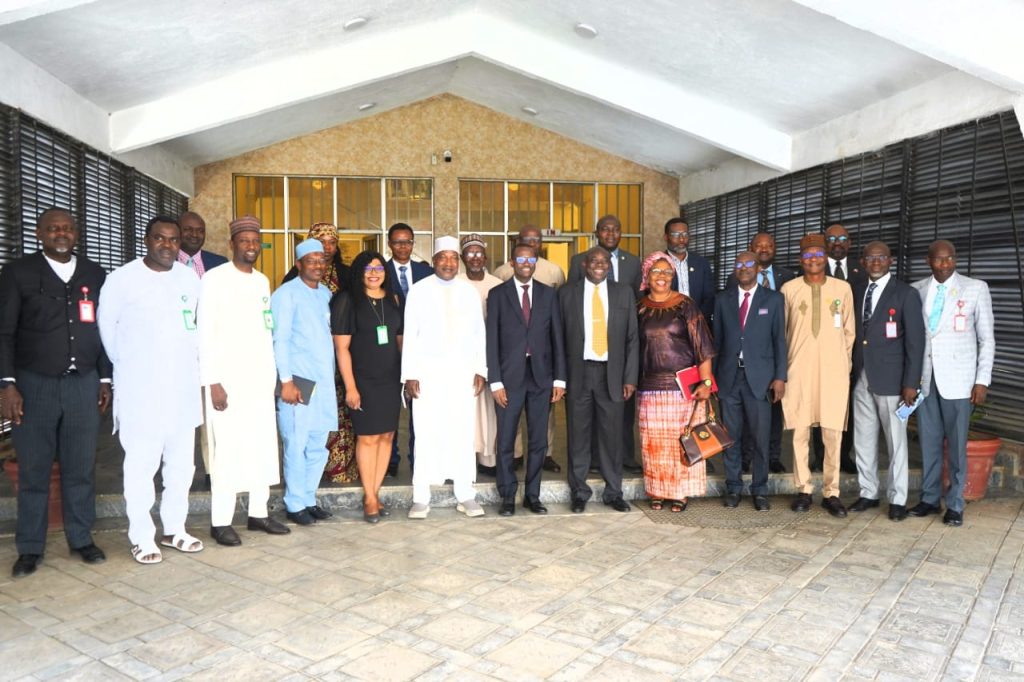
Expressing optimism about the future of the partnership, the NEITI Executive Secretary said a stronger working relationship between both institutions would significantly reduce corruption risks, enhance governance and help secure Nigeria’s extractive resources for sustainable national development.
About The Author