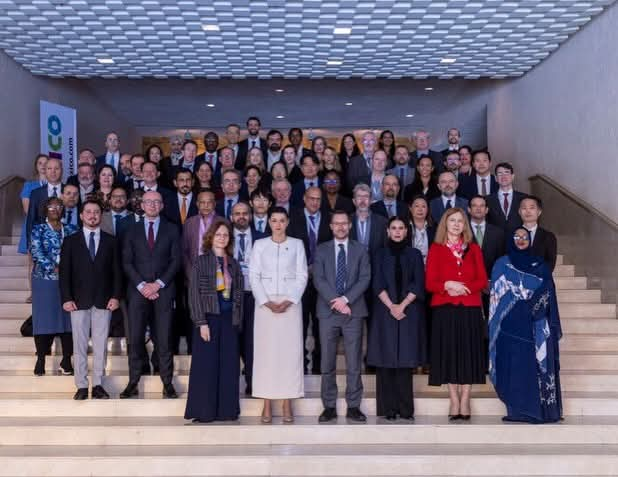
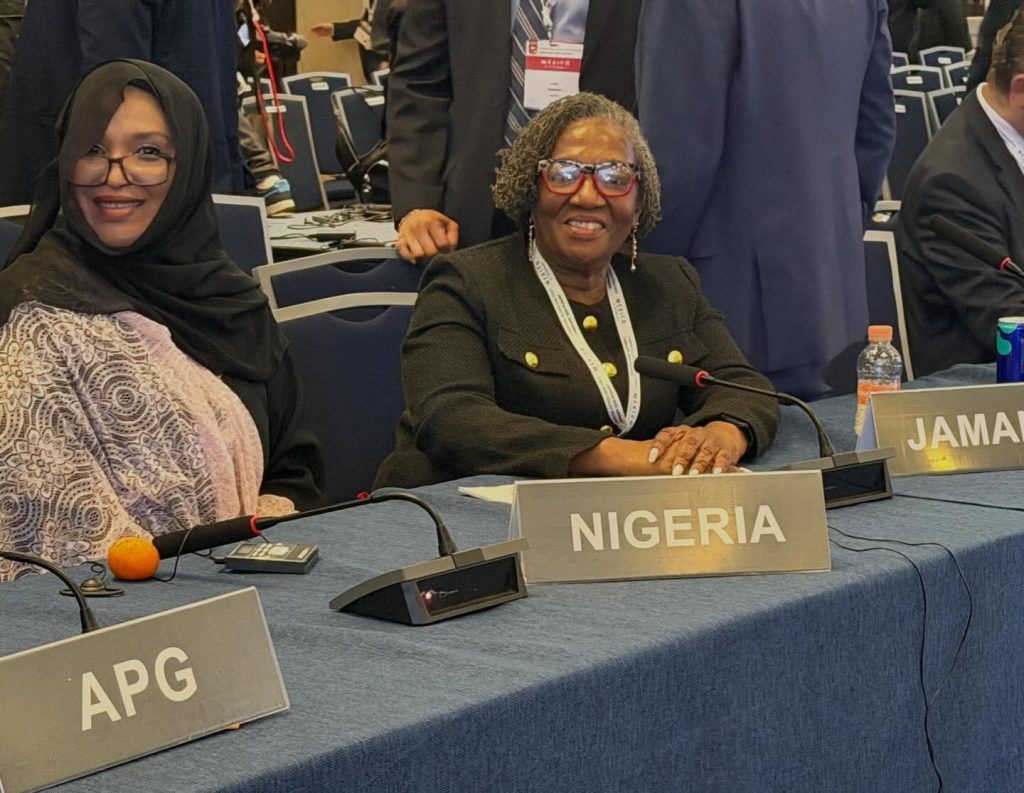
The Chief Executive Officer of the Nigerian Financial Intelligence Unit (NFIU), Hafsat Abubakar Bakari, has reaffirmed Nigeria’s strong commitment to global efforts to combat money laundering and terrorist financing at the 5th Plenary Meeting of the Financial Action Task Force (FATF).
Bakari led a high-level Nigerian delegation that included representatives of the Central Bank of Nigeria (CBN) and the Economic and Financial Crimes Commission (EFCC) to the meeting held in Mexico City. The session was convened under the Mexican Presidency of Elisa de Anda Madrazo.
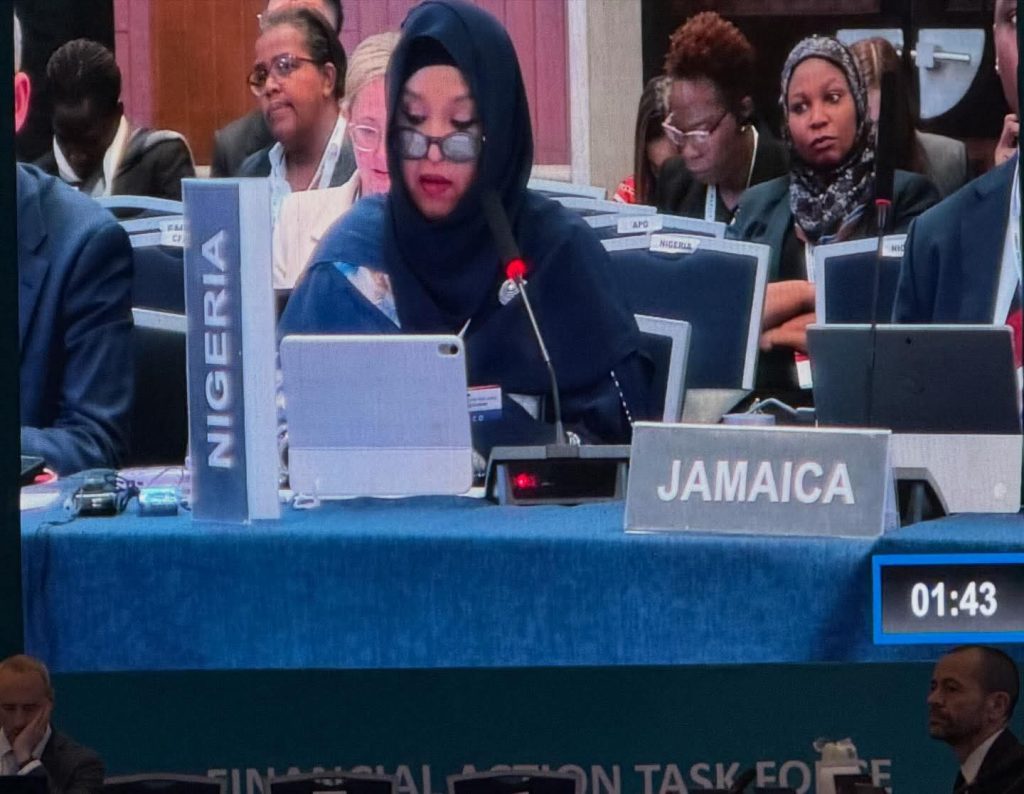
At the Plenary, the Nigerian delegation actively participated in key deliberations, including discussions on the mutual evaluation reports of Austria, Italy and Singapore, underscoring Nigeria’s engagement in shaping global anti-money laundering (AML) and counter-terrorist financing (CTF) standards.
Speaking during the meeting, Bakari reiterated Nigeria’s support for the FATF Strategic Priorities for 2026–2028, particularly efforts aimed at promoting inclusiveness and diversity in the development and implementation of FATF Standards.
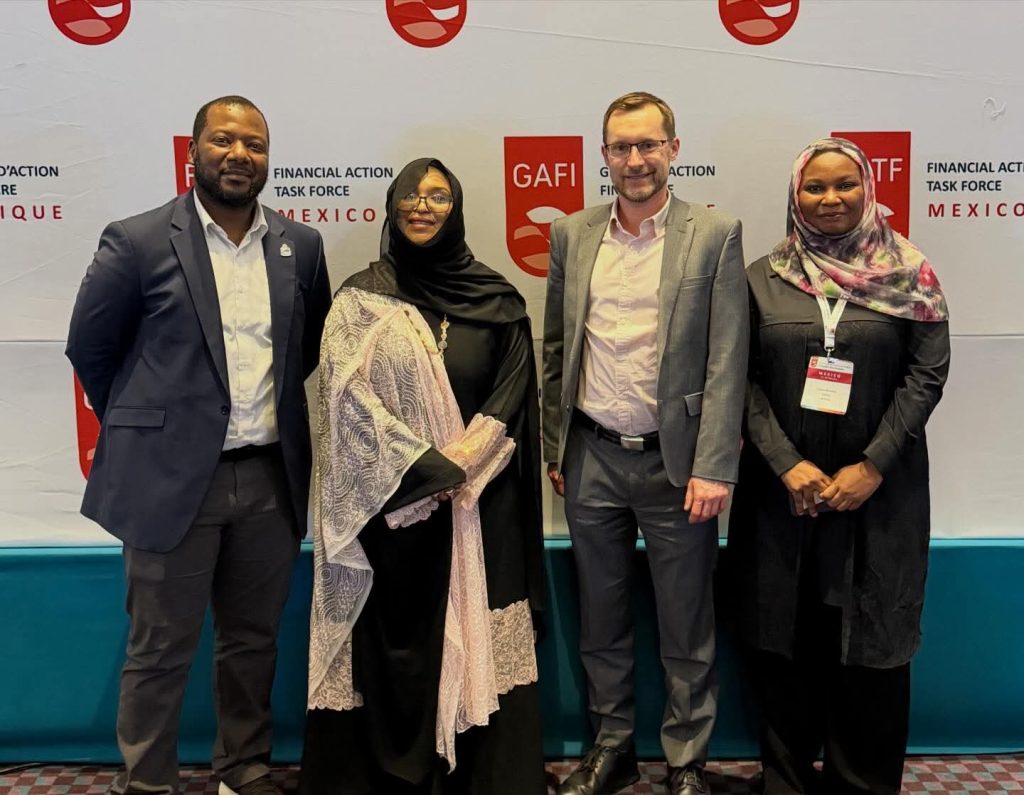
She emphasized the importance of collective global action, noting that “an effective collective response is based on a shared commitment and shared understanding of risk.” Nigeria, she said, fully supports ongoing efforts to amplify the voice of FATF-Style Regional Bodies (FSRBs) and to provide stronger support for low-capacity jurisdictions.
Highlighting Africa’s priorities, the NFIU boss welcomed continued work to equip the financial and payments sector with improved tools to prevent and detect fraud. She observed that rapid innovation and expanding financial inclusion across Africa are creating a more complex regulatory landscape, requiring stronger collaboration and smarter oversight mechanisms.
The Plenary also congratulated Mr. Giles Thompson of the United Kingdom, who will assume the FATF Presidency in July 2026 for a two-year term.
In a move aimed at strengthening global compliance, the FATF approved the inclusion of Kuwait and Papua New Guinea on its list of jurisdictions under increased monitoring, commonly known as the grey list. Both countries have committed at the highest political levels to reforms designed to enhance their AML, counter-terrorist financing and counter-proliferation financing frameworks.
Additionally, the Plenary adopted two new reports titled “Tackling Cyber-Enabled Fraud” and “Understanding and Mitigating the Risks of Offshore Virtual Asset Service Providers.” The reports are expected to bolster international cooperation and enhance Nigeria’s capacity to respond to emerging high-risk cyber-enabled crimes.
Nigeria’s active participation at the Plenary reinforces its determination to remain at the forefront of global financial integrity efforts and to strengthen its domestic framework in line with evolving international standards.
About The Author