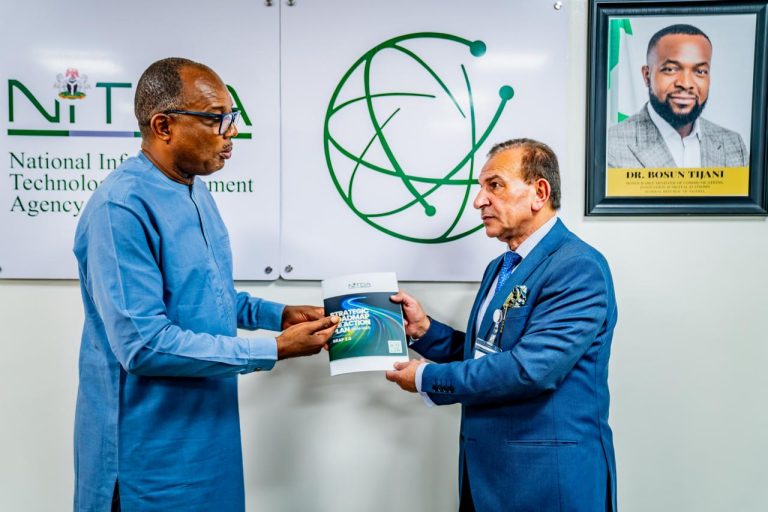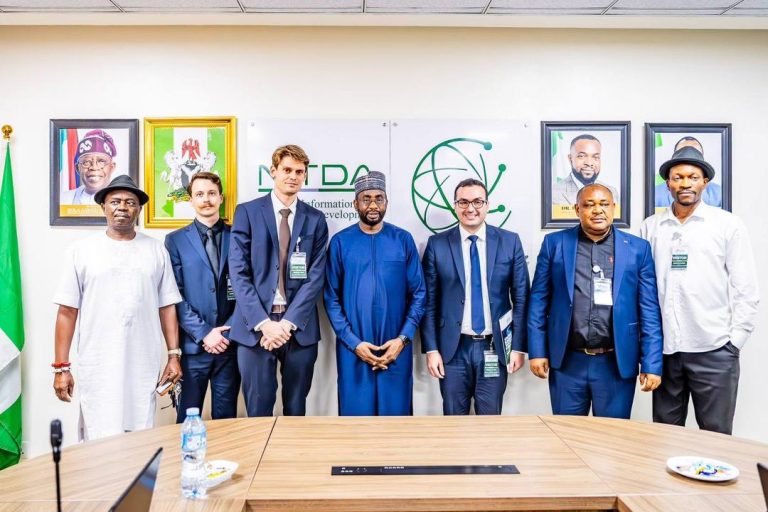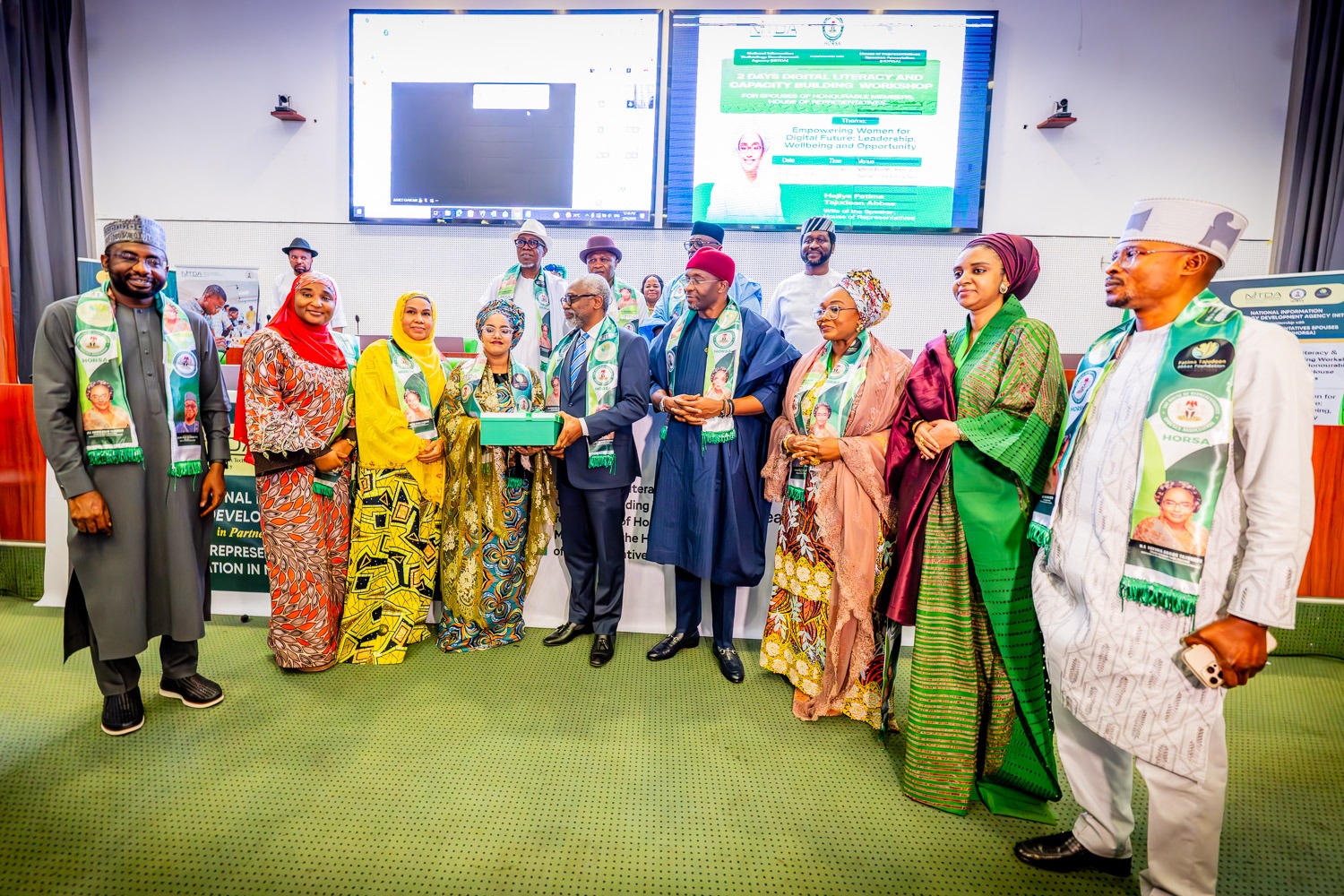
In a strategic push to expand Nigeria’s digital inclusion agenda, the National Information Technology Development Agency (NITDA), in partnership with the House of Representatives Spouses Association (HORSA), has organised a two-day digital literacy and capacity-building workshop for spouses of members of the House of Representatives.
The initiative, themed “Empowering Women for a Digital Future: Leadership, Wellbeing, and Opportunity,” aims to equip participants with the skills needed to navigate the digital economy and the demands of public life.
Declaring the workshop open on behalf of the Speaker of the House of Representatives, Tajudeen Abbas, the Deputy Speaker, Benjamin Okezie Kalu, underscored the critical role spouses play in supporting public office holders. He described them as trusted advisers whose understanding of legislative responsibilities strengthens governance outcomes.
Kalu noted that the demands of legislative work often place pressure on family life, stressing that empowering spouses with digital and leadership skills enhances their ability to provide informed support and constructive feedback. He urged participants to embrace continuous learning in an increasingly digital world.
Beyond basic computer literacy, the workshop covers financial and digital literacy for business growth and personal finance management; cybersecurity and digital wellbeing, including data protection and mental health resilience; and economic empowerment through remote work, Business Process Outsourcing (BPO), and digital entrepreneurship.
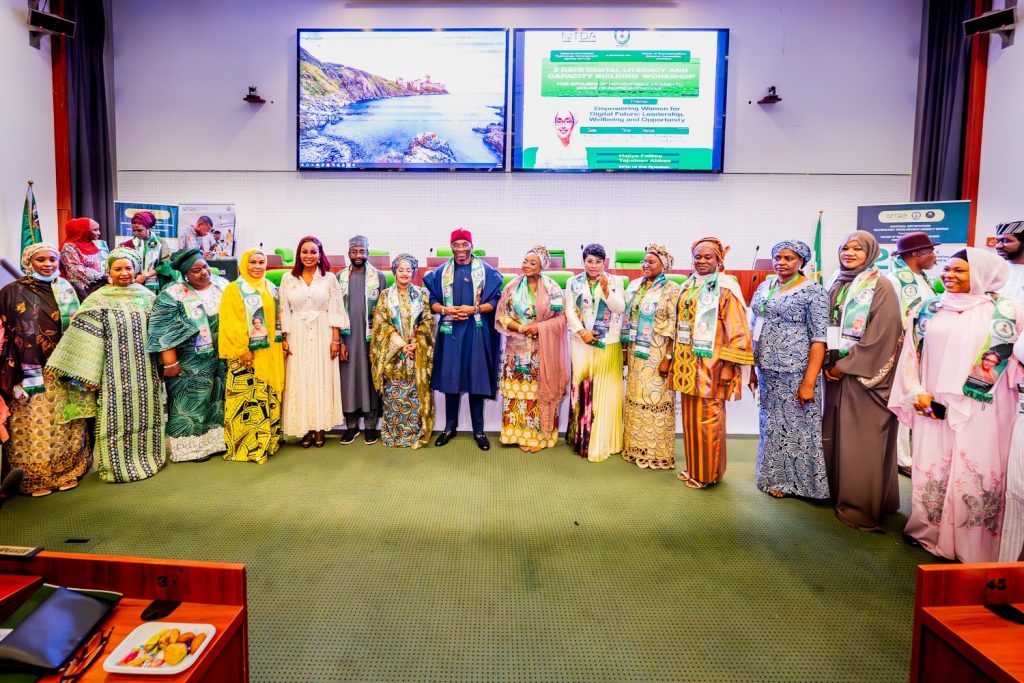
In his welcome address, NITDA Director-General Kashifu Inuwa said the initiative aligns with the Federal Government’s digital economy strategy under the Renewed Hope Agenda of Bola Ahmed Tinubu, which prioritises digitalisation and innovation for economic diversification and inclusive growth.
He revealed that NITDA is implementing a national digital literacy framework targeting 95 per cent digital literacy by 2030 through integrating digital skills into formal education, upskilling public servants, and expanding community-level digital inclusion.
According to Inuwa, women are pivotal to Nigeria’s digital transformation, adding that empowering lawmakers’ spouses with digital competencies will strengthen leadership within families and positively influence legislative processes at the National Assembly.
He disclosed that over 54,000 public servants are currently enrolled in NITDA’s digital literacy programmes, while community champions across the 36 states and the Federal Capital Territory are reaching millions annually with foundational digital skills training.
In her goodwill message, the Leader of HORSA and wife of the Speaker, Hajiya Fatima Tajudeen Abbas, described the workshop as a historic milestone and the first comprehensive capacity-building programme organised by the 10th Assembly for spouses of lawmakers. She highlighted the importance of digital and financial literacy, cyber protection and digital wellbeing in modern public life.
She emphasised that sessions on mental health, emotional resilience, entrepreneurship and leadership were particularly timely, noting that spouses of public office holders often shoulder invisible emotional responsibilities. Empowering women economically, she said, strengthens families and communities while enabling greater participation in national development within the digital economy.
The event also featured goodwill messages from senior government officials, including Chief of Staff to the President, Femi Gbajabiamila; the Minister of Women Affairs and Social Development, Imaan Sulaiman Ibrahim; the Chairperson of the Nigeria Governors’ Spouses’ Forum, Prof. Olufolake Abdulrazaq; Chairman of the House Committee on ICT, Hon. Stanley Olajide; Chairperson of the House Committee on Women Affairs and Social Development, Hon. Kafilat Ogbara; and Managing Director of the South-South Development Commission, Usoro Offiong Akpabio.
The workshop reinforces NITDA’s commitment to ensuring that digital transformation in Nigeria remains inclusive, leaving no demographic group behind.
About The Author